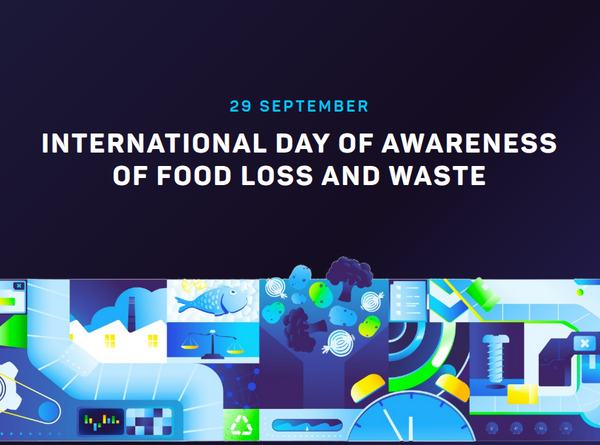
But the name of the day makes a distinction that is easy to miss. Food waste happens in shops and households. Food loss happens earlier, in production and logistics, before a product ever reaches a shelf. That second half is where manufacturers have the most direct control.
Where food is lost before it leaves the plant

In most food plants, loss doesn't come from one big failure. It leaks away in small amounts, every shift:
- Overfilling. A few grams extra per pack, multiplied by millions of packs a year.
- Rejected batches. A deviation noticed too late, when the whole batch is already off spec.
- Expired stock. Raw materials or finished goods that sit too long at the back of the cold store.
- Recalls broader than needed. Without precise traceability, you destroy entire production days to be safe.
What these have in common: the loss is usually visible only afterwards, in a month-end report. By then there is nothing left to correct.
Built into Momentum from day one
At Brighteye, reducing loss isn't a feature we added to Momentum later. It has been part of how the platform works from the start.
Momentum records every consumption, every output and every loss as an event, per order, line and batch, at the moment it happens. Not as a report compiled afterwards, but as live information operators and planners can act on during production.
That choice sounds technical, but its effect is practical. When loss is recorded as it happens, it becomes something you can steer instead of something you explain after the fact.
Four ways Momentum prevents loss
1. Yield you see during production, not at month-end
By tracking consumption, output and losses per order, line and batch in real time, you see immediately where yield is leaking away. Overfilling, scrap and deviations from the recipe show up while you can still act on them.
2. Quality checks inside the process
Quality checks are part of the production workflow, not a separate step afterwards. An out-of-spec measurement triggers an alert or a hold at the right moment, so operators can correct course before an entire batch is lost.
3. Planning and stock that respect shelf life
A schedule that accounts for actual demand, available raw materials, shelf life and changeovers reduces overproduction and cleaning losses. In the warehouse, FEFO logic and visible expiry dates make sure what expires first ships first.
4. Targeted recalls
When you know exactly which raw material lots ended up in which finished products, a recall can be limited to what is truly affected. You destroy only what you must, not entire production days.
In practice: Puffin Produce
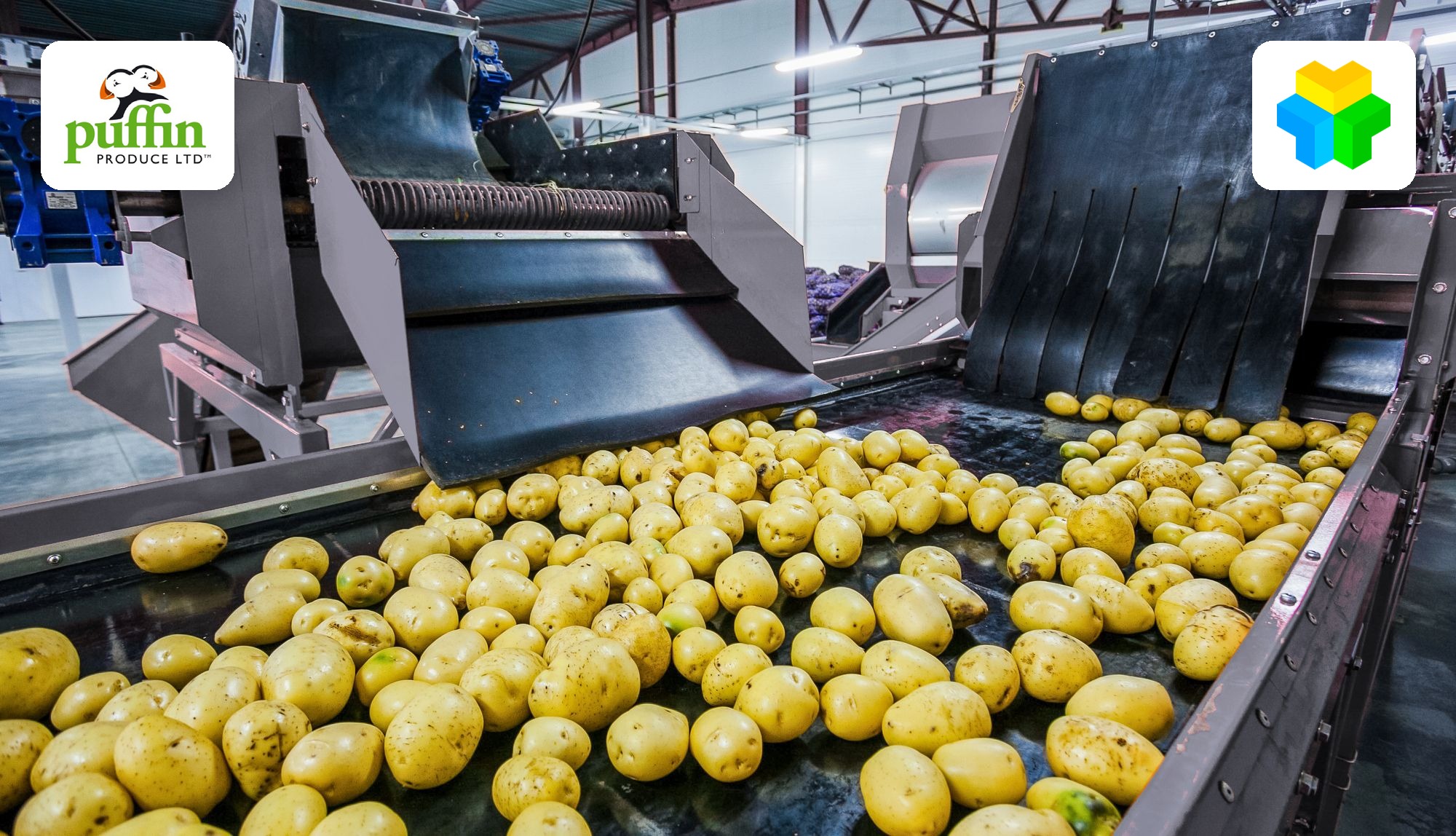
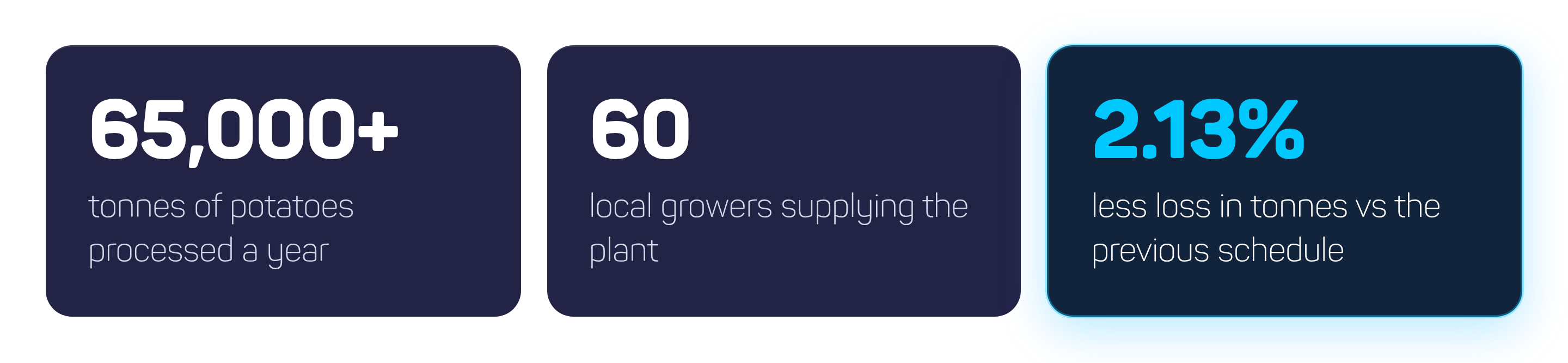
Puffin Produce, a UK potato processor handling more than 65,000 tonnes a year, uses its Momentum data to predict how the quality of each potato lot will develop. Every lot goes to the end product it suits best, at the right time. The result: 2.13% less loss in tonnes compared with the previous schedule.